-
GodEngine by Craig Hinton
All right, here we go with the Doctor Who New Adventures again! Regular readers will know this story: I began an end-to-end read of the 1990s Virgin Doctor Who New Adventures during the lockdown in 2020. Five years later the project still haunts me. But something tells me the end is in sight…
-
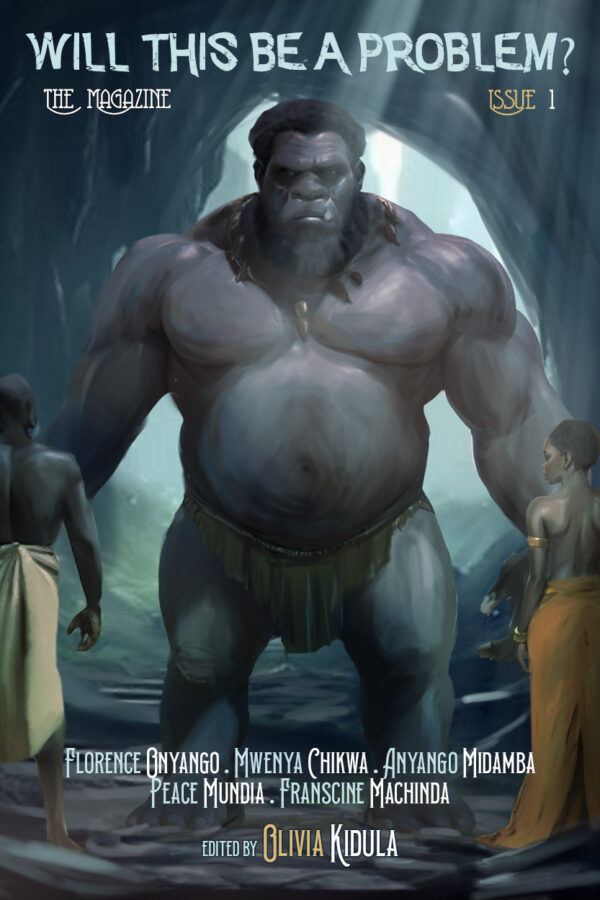
Will This Be a Problem? The Magazine Issue #1, edited by Olivia Kidula
-
Christmas on a Rational Planet by Lawrence Miles
I remember poking fun at this one when I first read it about 15 years ago, but I have to say this time around I enjoyed it significantly more. Miles is a skilled writer and he definitely stands out in the NA range.
-
The Computer Connection by Alfred Bester
What a benighted mess of a novel. Disjointed, random, full of coincidence and non-sequiturs, barely plotted, lacking any insight, devoid of emotional or dramatic impact. And this from one of my favourite New Wave science fiction authors. I know full well that Bester could do better.
-
Return of the Living Dad by Kate Orman
-
Living with the Dead: Ancestor Worship and Mortuary Ritual in Ancient Egypt by Nicola Harrington
-
Inside Track: Writing Dissertations & Theses by Neil Murray and David Beglar
Gosh, what could I be thinking of? If this year’s reading is full of trash, this book ought to give you some hints as to why that might be.
-
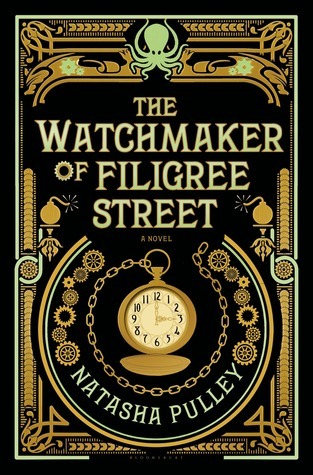
The Watchmaker of Filigree Street by Natasha Pulley
Nice! Pulley is as ever a complete delight. For my money I enjoyed The Kingdoms a little more, but there’s so much to love in The Watchmaker of Filigree Street, especially for someone who works in horology. I acquired a copy of this for the library where I work because HOW COULD I NOT.
Ms. Pulley, if you’re out there, please visit the library at the Horological Society of New York! We think you’re great.
-
Pants World by Josh Mecouch
-
The Death of Art by Simon Bucher-Jones
-
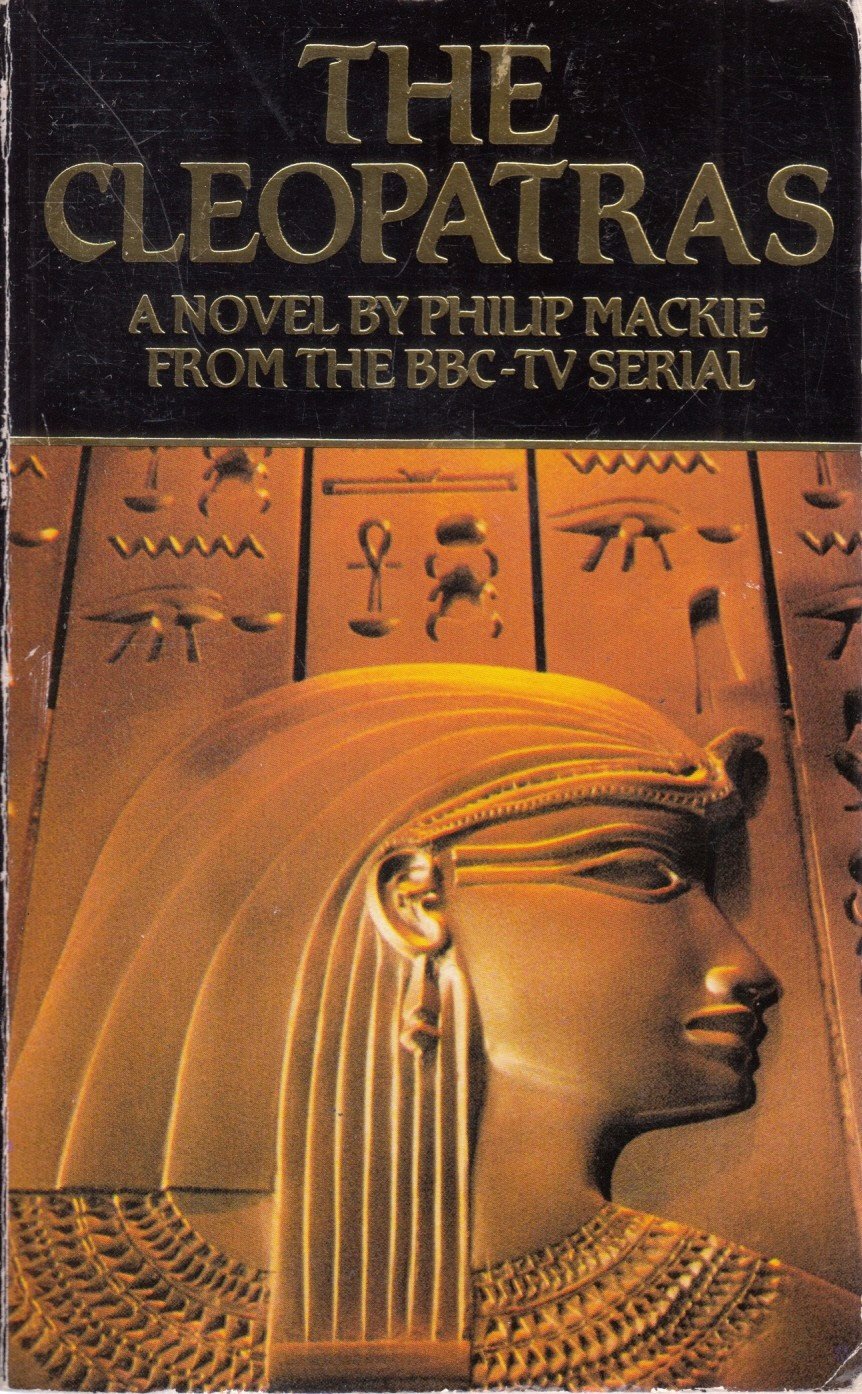
The Cleopatras by Philip Mackie
Philip Mackie tackles the Ptolemaic dynasty of ancient Egypt in an attempt to reverse engineer the alchemy of I, Claudius. Read my review of The Cleopatras posted earlier in the year.
-
Damaged Goods by Russell T. Davies
-
Perseus, or: Of Dragons by H.F. Scott Stokes
-
So Vile a Sin by Ben Aaronovitch and Kate Orman
The title of this novel derives from a Shakespeare quotation. That didn’t stop Google, when I searched for “So Vile a Sin”, leaping to the rescue with, “Did you mean: so vile Asian?” Dial it the fuck back, Google, you’re going to a dark place with that.
-
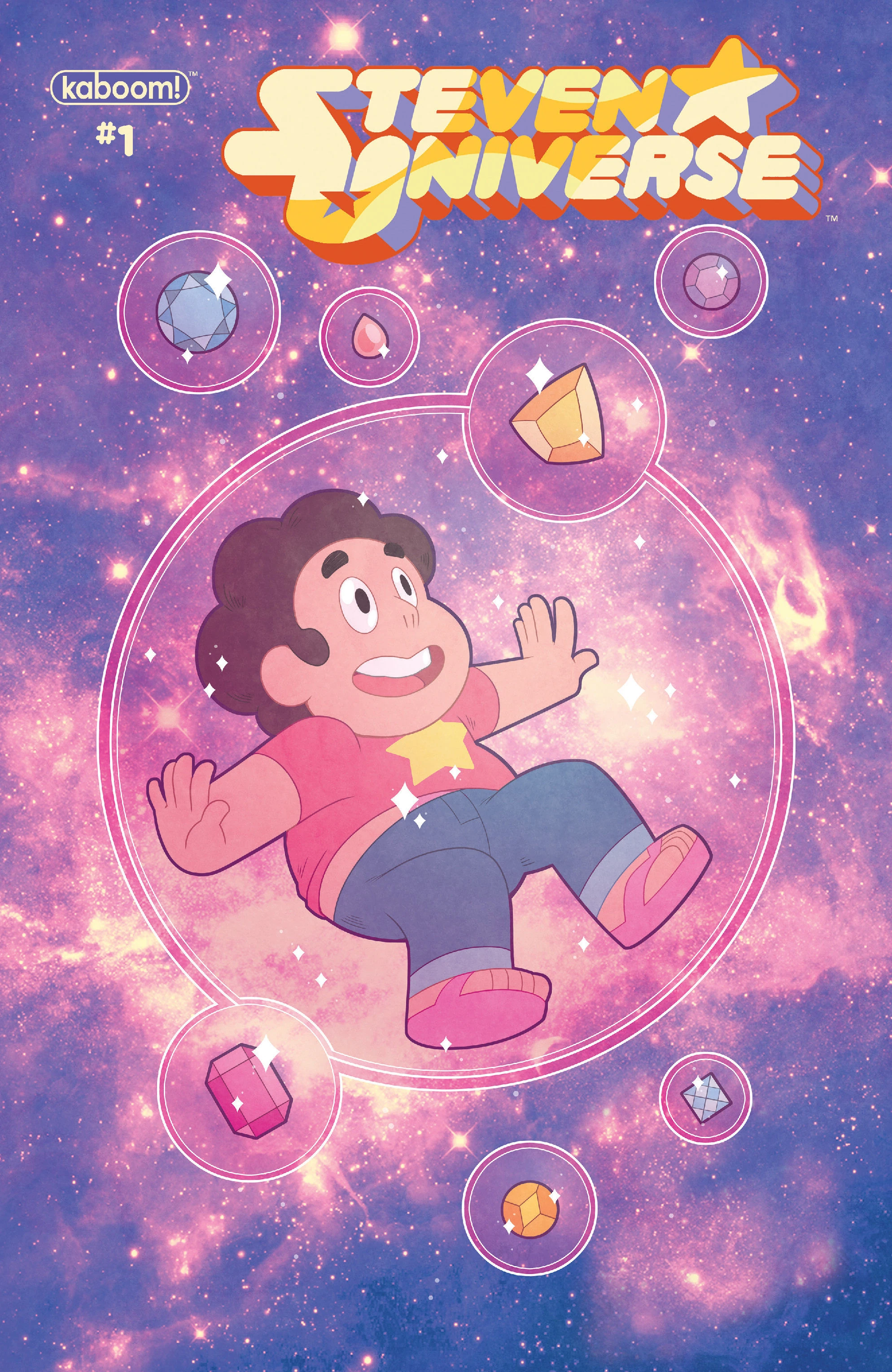
Steven Universe: Warp Tour
Don’t judge me too harshly. My second MA semester is over and I’m enrolled in Rare Book School for July, so my academic schedule is pretty well packed. I need some brain bleach, so it’s going to be nothing but relaxing pulp all summer. I’ve found myself missing Steven Universe so I thought I might collect some of the comics. These are obviously pretty quick reads but I like to document them anyway.
-
The Truth and Other Stories by Stanisław Lem
Lem is always powerful, even when he’s decades out of date and not always at the height of his powers. There are stories in this collection that resonate strongly even now.
-
Steven Universe and the Crystal Gems
-
Steven Universe: Punching Up
-
Bad Therapy by Matthew Jones
-
Steven Universe: Field Researching
-
Steven Universe: Camp Pining Play
-
Stars in My Pocket Like Grains of Sand by Samuel R. Delaney
I have mixed feelings about this novel. It started strongly and very compellingly. Ursula K. Le Guin gets a lot of rightly deserved credit for writing about sex and gender in The Left Hand of Darkness, but it’s great to see other contemporary science fiction writers were writing about gender in challenging ways. However the novel loses steam halfway through and becomes… I dunno, weirdly horny? Seems like Delaney got stuck on the theme of sexual desire in a way that Le Guin did not, and to be honest, writers going on about the characters being horny all the time is a) not that interesting and b) just a little bit too revealing. Also Delaney supports NAMBLA, so no.
-
The Art of Steven Universe the Movie
-
Steven Universe: Just Right
-
A New Introduction to Bibliography by Philip Gaskell
Cover to cover, baby. That is no mean feat.
-
Eternity Weeps by Jim Mortimore
-
The Room with No Doors by Kate Orman
-
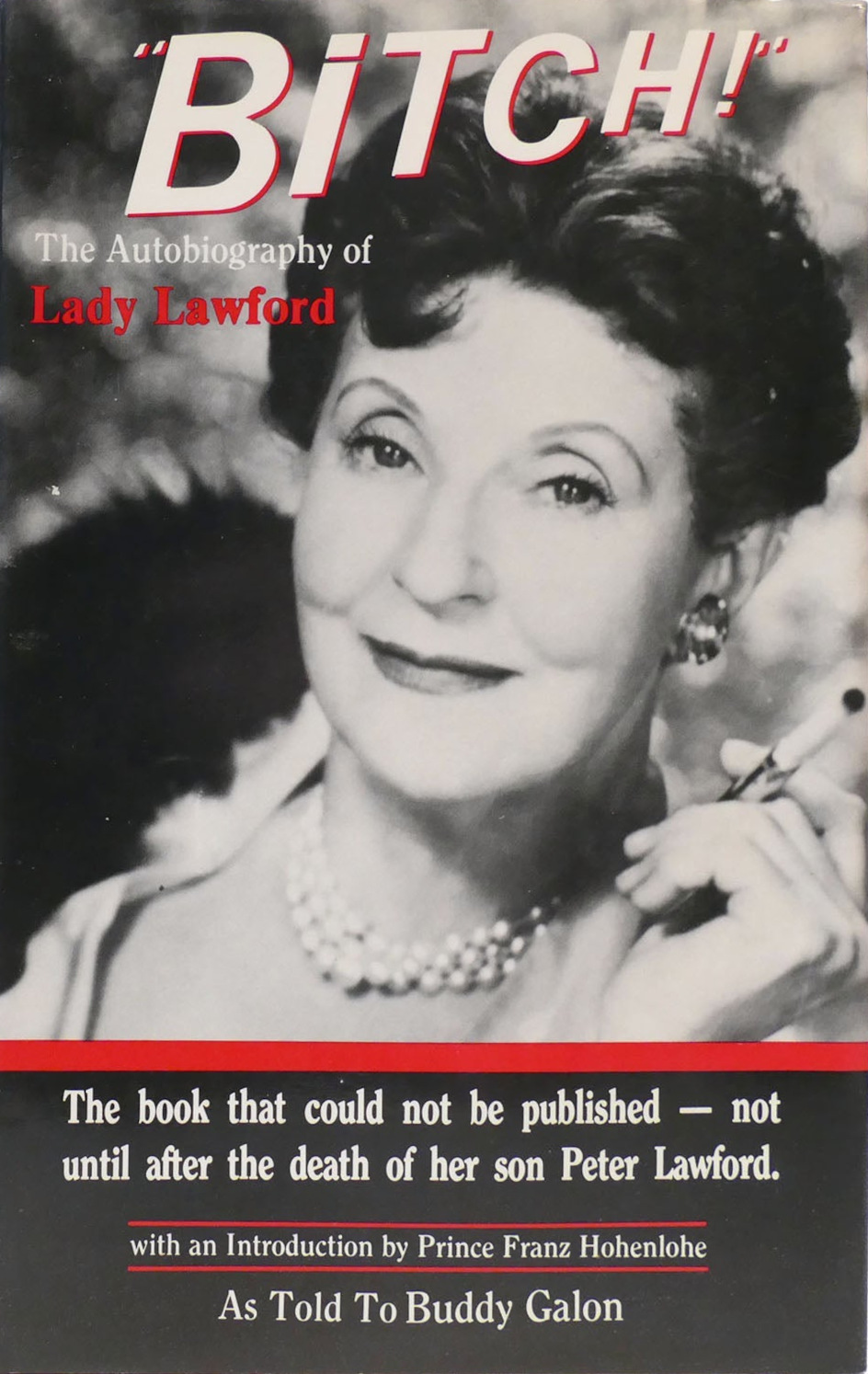
“Bitch!”: The Autobiography of Lady Lawford by Lady Lawford, as told to Buddy Galon
Everything about this was bonkers and I loved it.
For a start, the story is “as told to Buddy Galon”, but it’s unclear what the mode of transmission was. Lady Lawford was dead by the time this was published, so was it tape recorded? Or was Galon writing in Lawford’s voice from memory? Either way it’s a very choppy mess filled with rambling anecdotes from a delightfully un-self-aware and entitled monster who systematically alienated everyone in her life. One of those people who always proclaims, “I just don’t understand it, drama just seems to follow me around.” She would have been awful to know but is very entertaining as a social trainwreck.
-
Lungbarrow by Marc Platt
-
The Dying Days by Lance Parkin
I did it! I finished every book in the Doctor Who New Adventures range! That’s 61 books in five years. Bloody hell. Is it bad that I don’t actually enjoy them that much? Nathan Bottomley said this best in his blog post Guns and Frocks:
“The New Adventures were explicitly intended to be the official continuation of the Doctor Who story. They starred Sylvester McCoy’s Seventh Doctor, reconceived as the dark and mysterious arch-manipulator we barely glimpsed in Remembrance of the Daleks, along with his companion Ace, whose soft-left politics and fascination with chemistry was inexplicably transformed into a hard-right obsession with military hardware and a fascination with killing things.”
That said, there were some real gems in the range, particularly when writers like Kate Orman, Paul Cornell, and Andrew Cartmel can get their hands on it. Other notable authors include Russell T. Davies, Lawrence Miles, Terrance Dicks, Mark Gatiss, Gareth Roberts, and Matthew Jones. It’s also a load of fun to try and identify the worst ones in the range, but I’ll leave that as an exercise for the reader. I will say that Lungbarrow is massively overrated (and in all likelihood a terrible mistake). I’ll also repeat my earlier statement that Legacy (the novel that brings back Peladon) is disastrously misconceived.
-
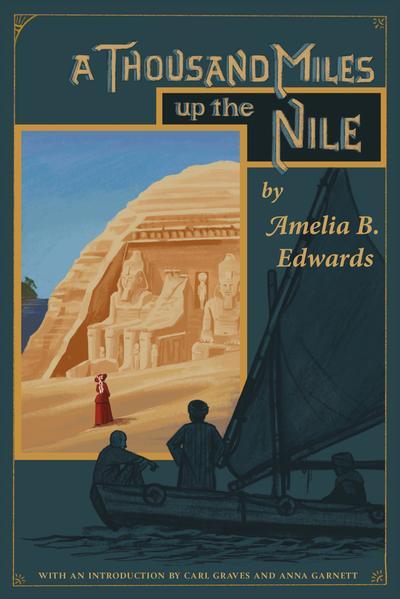
A Thousand Miles up the Nile by Amelia B. Edwards
A delightful and gorgeously compelling read, especially considering its length. Edwards is a skilled writer whose background as a novellist clearly shows. Of course her writing has dated somewhat since 1877, but not unreadably so, and it can be easily appreciated with all the right caveats about its context. I read the 2022 edition published by the Egypt Exloration Society, which comes with a very fitting introduction that does a lot to frame Edwards’ narrative.
-
Amplitudes: Stories of Queer and Trans Futurity edited by Lee Mandelo
-
Oh No It Isn’t! by Paul Cornell
-
Dragons’ Wrath by Justin Richards
-
Portable Magic by Emma Smith
-
Physics for Cats by Tom Gauld
-
Floater by Calvin Trillin
-
Beyond the Sun by Matthew Jones
-
Life Among the Savages by Shirley Jackson
-
The Wrong Set by Angus Wilson
You have to wonder who hurt Angus Wilson. A few years ago I read his novel Anglo-Saxon Attitudes, and I remember not liking it at first because all the characters were bitchy, snobby, and generally unkind. By the end of the novel these attitudes resolved themselves somewhat, particularly with the themes of the novel, and you can see the characters’ vulnerability and humanity. In The Wrong Set we get one of Wilson’s collections of short stories, and every single one of them has the same freakshow of horrible people, only the short story form doesn’t give them enough time to develop into anyone we might care about or sympathise with. The result is a pretty off-putting anthology. Wilson is an excellent writer and is capable of being very biting with his humour and satire, but god the time I spent with his people was just so unpleasant. I was very glad to be done with this.
If I had to pick out one story from the anthology, though, I would recommend “The Wrong Set”. It’s short and snappy, its nastiness is put to good use, and it showcases what Wilson can do when he’s on form.
-
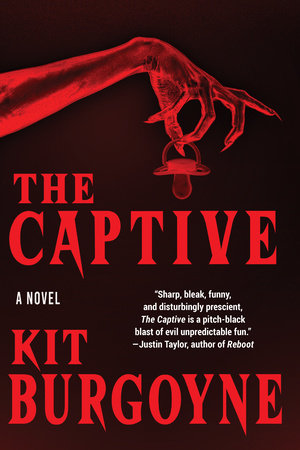
The Captive by Kit Burgoyne
My heart always soars with delight whenever I find out Ned Beauman (writing here under his horror nom de plume) has published a new novel. He writes literary fiction but has always incorporated elements of genre, particularly science fiction (see The Teleportation Accident). With his previous novel, Venomous Lumpsucker, he went fully sci-fi, and here he’s done horror, so much so that he hasn’t published it under his own name.
That being the case I was expecting something a little more lurid. The first few chapters seemed to “get the assignment” by ramping up relentlessly with horror tropes, each escalation breathless and gleeful and just fun. But then the novel seems to lose its way a little bit and it feels very much like a normal Ned Beauman novel (which, to be fair, will always be wonderful). I think for this sort of thing to work it either needs to be scary (i.e. straight-up horror) or it needs to have fun with horror tropes (e.g. What We Do in the Shadows). But The Captive sort of forgets to be a horror novel in the middle and meanders before coming back to the genre at the end.
Maybe it’s the marketing that sells this as being something other than it is. I think it would work a lot better if the marketing didn’t push the horror angle so hard. Still, it’s another Beauman novel and I’m intensely grateful for each and every one. In the end this was still a really fun read and a wonderful way to wrap up the year.